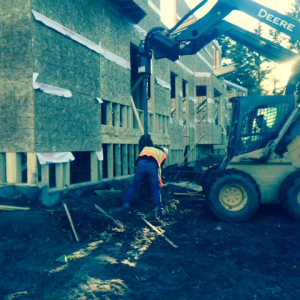
Demolition has long been associated with noise, dust, and mountains of waste. Traditionally, debris from buildings whether residential, commercial, or industrial ended up in landfills. However, with rising environmental awareness and stricter regulations in Alberta, demolition contractors are increasingly embracing eco-friendly practices, focusing on recycling, material reuse, and sustainable site management.
For property owners and developers in Edmonton, choosing a demolition contractor who prioritizes sustainability is no longer just an ethical choice it’s smart business. Not only does eco-friendly demolition reduce environmental impact, it can also lower costs, improve project efficiency, and enhance a company’s reputation.
Roadbridge Services, a licensed and insured Edmonton demolition contractor, has been at the forefront of sustainable demolition practices, helping clients responsibly remove and recycle materials while preparing sites for new construction.
This article explores the benefits, processes, and best practices of eco-friendly demolition in Alberta, and why contractors like Roadbridge Services are leading the way.
Why Eco-Friendly Demolition Matters
Construction and demolition waste is a major environmental concern. In Alberta, thousands of tons of concrete, metal, wood, and hazardous materials are discarded each year. Eco-friendly demolition addresses this issue by:
- Reducing Landfill Waste: Recycling materials like concrete, metals, and wood keeps debris out of landfills.
- Conserving Resources: Reusing salvaged materials reduces the need for virgin resources, which conserves energy and raw materials.
- Lowering Costs: Properly sorted materials can be sold or repurposed, offsetting disposal and material costs.
- Compliance and Reputation: Alberta has regulations and municipal guidelines that encourage responsible waste management. Contractors who follow these practices demonstrate professionalism and social responsibility.
For example, a commercial building in Edmonton recently underwent demolition. Using eco-friendly methods, Roadbridge Services recycled 85% of the concrete and steel, reused wooden beams where possible, and safely disposed of hazardous materials. The client not only saved on disposal fees but also earned recognition for sustainable practices.
Common Materials for Recycling and Reuse
Eco-friendly demolition involves careful sorting and processing of different materials:
1. Concrete and Masonry
Concrete is one of the most common materials in demolition. Crushing and recycling it into aggregate for new construction reduces landfill volume and provides a cost-effective building material.
Edmonton example: Roadbridge Services crushed concrete from a warehouse demolition and reused it as a base for a new industrial parking lot.
2. Metals
Steel, copper, aluminum, and other metals are highly recyclable. Scrap metal has significant resale value, and recycling it saves energy compared to producing new metal.
Industrial projects in Edmonton frequently involve steel beams, pipes, and siding all of which can be recovered and sold or reused.
3. Wood
Wood can be repurposed for framing, pallets, mulch, or energy production. Proper separation prevents contamination with nails or paint, making it more usable.
4. Asphalt
Asphalt from roads, driveways, and roofing shingles can be crushed and reused for paving projects, reducing the need for new asphalt production.
5. Hazardous Materials
Even hazardous materials like asbestos, lead, and chemicals can be disposed of responsibly, minimizing environmental impact. Licensed contractors like Roadbridge Services follow Alberta regulations to ensure safe handling and disposal.
The Eco-Friendly Demolition Process
Eco-friendly demolition is not simply “tear it down and sort later.” It requires careful planning, on-site management, and collaboration with recycling facilities:
- Pre-Demolition Assessment
- Inspect the building for recyclable materials, hazardous waste, and structural elements that can be salvaged.
- Prepare a materials recovery plan.
- Deconstruction
- Soft strip-outs remove fixtures, doors, windows, and cabinetry for reuse.
- Selective demolition carefully dismantles structures to recover materials rather than crushing everything.
- Material Sorting
- On-site separation of metals, wood, concrete, asphalt, and hazardous materials.
- Use of bins, containers, and temporary storage for efficient processing.
- Processing and Transport
- Materials are transported to certified recycling or processing facilities.
- Concrete is crushed, metals are sent to scrap yards, wood is repurposed or chipped, and hazardous materials are disposed of according to regulations.
- Site Cleanup and Preparation
- Once materials are recovered, the site is leveled and prepared for new construction, maintaining safety and compliance.
Contractors like Roadbridge Services specialize in turning a complex, multi-step process into a seamless, efficient operation, ensuring maximum material recovery and minimum environmental impact.
Benefits for Property Owners and Developers
Choosing eco-friendly demolition practices offers multiple advantages:
- Cost Savings: Recovering and reselling metals or reusing concrete reduces material and disposal costs.
- Faster Project Turnaround: Organized material recovery reduces cleanup time.
- Sustainability Goals: Developers can demonstrate commitment to environmental responsibility, which can improve public perception and community relations.
- Regulatory Compliance: Meeting Alberta’s environmental standards avoids fines and project delays.
For instance, during a recent Edmonton school demolition project, Roadbridge Services recycled over 70% of the materials, significantly reducing disposal fees and allowing the project to finish ahead of schedule.
Eco-Friendly Practices Specific to Alberta
Alberta’s climate and construction landscape present unique considerations:
- Winter Operations: Cold temperatures can affect equipment and material handling. Contractors plan around seasonal challenges to maintain efficiency and safety.
- Industrial Sites: Oilfield and manufacturing facilities often have metals and concrete that can be recovered, but also hazardous materials requiring certified handling.
- Local Recycling Facilities: Contractors like Roadbridge have established relationships with Edmonton-area recycling centers to streamline the process.
Challenges in Eco-Friendly Demolition
While beneficial, sustainable demolition has challenges:
- Labor Intensive: Sorting and deconstruction require more planning and workforce.
- Storage Space: On-site storage for separated materials is needed.
- Contamination: Mixed materials or hazardous waste can reduce the recyclability of materials.
- Cost for Specialized Equipment: Crushing concrete or shredding wood requires investment in machinery.
However, experienced contractors like Roadbridge Services mitigate these challenges through careful planning, local expertise, and investment in modern equipment.
FAQs:
1. What percentage of materials can typically be recycled?
With proper planning, 70–90% of materials from residential, commercial, and industrial buildings can be recovered.
2. Is eco-friendly demolition more expensive?
Initial costs may be higher due to labor and equipment, but recycling and resale of materials often offset these costs.
3. Do I need a special contractor for sustainable demolition?
Yes. Only licensed contractors with experience in material recovery and Alberta compliance, like Roadbridge Services, can ensure safe and efficient eco-friendly demolition.
4. How long does eco-friendly demolition take?
It depends on building size, type, and material composition. Projects usually take slightly longer than traditional demolition due to careful deconstruction, but the benefits outweigh the time difference.
5. Can hazardous materials be recycled?
Hazardous materials cannot be recycled but must be disposed of safely according to Alberta Environment and Parks regulations.
Conclusion
Eco-friendly demolition is no longer a niche approach it’s a critical part of modern construction in Alberta. By recycling, reusing, and responsibly disposing of materials, property owners and developers can reduce costs, meet sustainability goals, and protect the environment.
For Edmonton projects, working with a trusted local contractor like Roadbridge Services ensures that demolition is carried out safely, efficiently, and with maximum material recovery. Their expertise in handling hazardous materials, recycling concrete, metals, wood, and asphalt, and preparing sites for new construction makes them a leader in sustainable demolition practices.
By choosing eco-friendly demolition, you’re not just tearing down a building you’re building a sustainable future for Alberta.